Why Choose Randolph top Stamped Concrete Rental for Stamped Concrete Work
Why Choose Randolph top Stamped Concrete Rental for Stamped Concrete Work
Blog Article
Professional Patterned Concrete Hire Options for Gorgeous Outdoor Spaces
Expert concrete stamping rental services present an efficient alternative for homeowners and construction firms endeavoring to enhance exterior environments. These services provide access to specialized tools and apparatus, ensuring outstanding results absent the strain of ownership. The ability to fashion elaborate designs and steadfast finishes proves appealing. Conversely, understanding the particulars of preparation and routine maintenance proves essential. Which aspects should reviewed preceding undertaking a concrete stamping engagement?
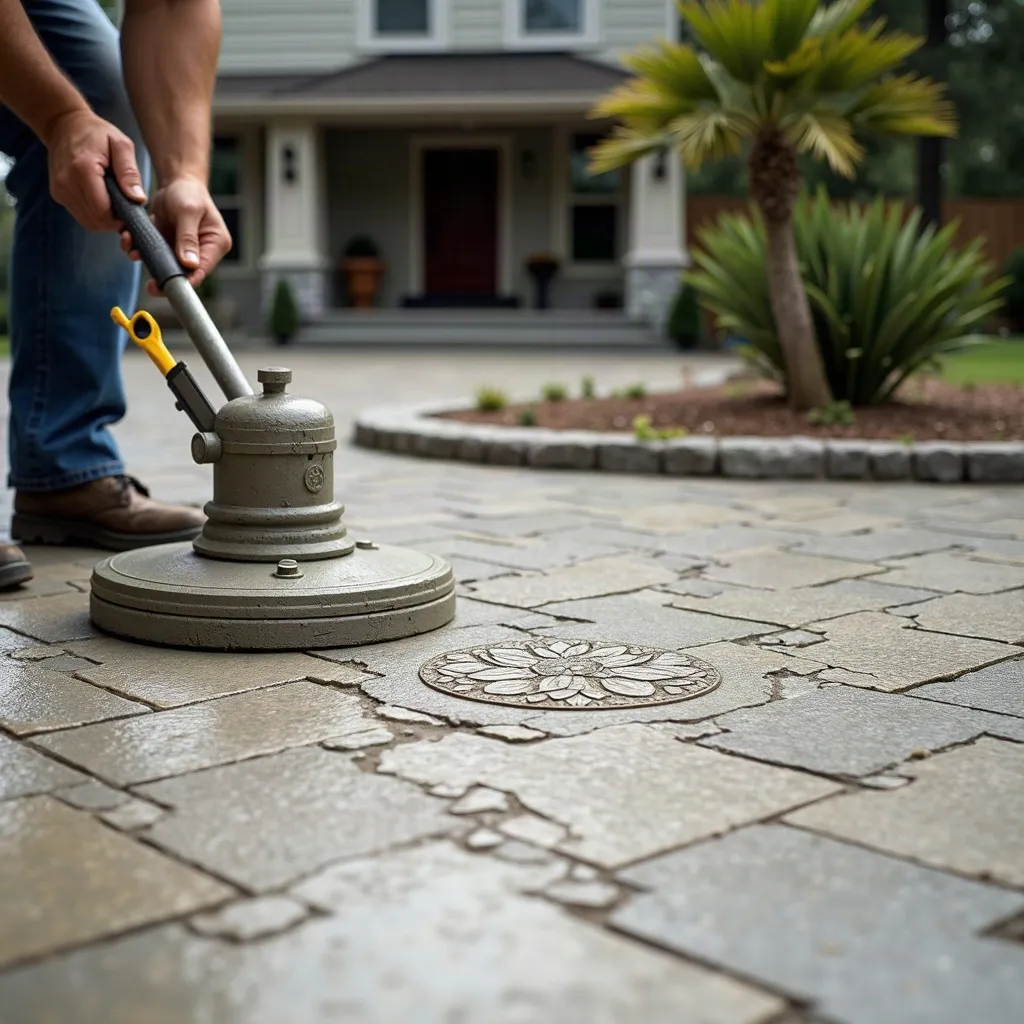
Why Decide on Stamped Concrete for Your Outdoor Area
When thinking about improvements for outdoor spaces, many homeowners discover that stamped concrete offers an compelling combination of aesthetics and functionality. This versatile option enables for a range of designs, replicating natural materials such as stone, brick, or tile, while delivering a long-lasting surface. Stamped concrete is impervious to weathering, making it ideal for various climates, and its minimal upkeep requirements appeal to busy homeowners.
Additionally, decorative concrete can increase property value, as it generates attractive pathways, patios, and pool decks that appeal to prospective buyers. Its ability to integrate smoothly with landscaping further elevates outdoor spaces. The installation process is also fairly fast compared to other materials, reducing disruption to the home environment. Homeowners appreciate that stamped concrete can be customized to suit individual tastes, providing a unique touch to their outdoor aesthetics. Overall, stamped concrete stands out as a practical and stylish choice for enhancing outdoor living areas.
What Equipment Is Required for Stamped Concrete?
When applying stamped concrete, having the correct tools is crucial for delivering quality results. Essential tools include concrete mixers, stamps, and finishing trowels, while safety gear such as gloves and masks provides protection during the process. Being aware of these requirements can substantially improve both the efficiency and safety of the project.
Must-Have Patterned Concrete Gear
A variety of vital tools are needed for effectively performing work with stamped concrete, guaranteeing precision and quality in the final product. Key tools feature a concrete mixer for consistent material blending, trowels for smoothing and shaping, and stamp molds that create desired patterns. A concrete float assists in leveling the surface, while edging tools help define clean lines around the project. For texturing, specialized stamps and rollers enhance the design, and a groover is vital for creating joints that control cracking. Finally, a curing compound sprayer secures proper hydration. Utilizing these tools effectively not only enhances the design quality but also contributes to the durability of the stamped concrete installation.
Safety Gear Requirements
Proper protective clothing is critical for anyone working with stamped concrete to reduce risks and guarantee a safe working environment. Workers must begin with safety glasses to defend their eyes from dust and debris. Heavy-duty gloves are essential for hand protection against sharp tools and rough surfaces. Steel-toed boots are suggested to guard against foot injuries from heavy materials. Also, wearing a helmet is vital to prevent head injuries from falling objects. The use of respirators or masks is important when handling concrete dust or chemicals to prevent respiratory problems. Finally, knee pads help provide comfort and safeguard knees while kneeling in the stamping process. Observing these safety gear measures fosters a safer workspace for everyone involved.
How to Prepare Your Property for Stamped Concrete Installation
Setting up the site for stamped concrete placement is important for developing a long-lasting and visually pleasing surface. The initial step entails removing the area of any waste, foliage, or existing concrete. This ensures a clean slate for the new placement. Next, the ground must be excavated to the correct depth, typically 4 to 6 inches, depending on the project requirements. Proper slope is critical to enable adequate water dispersal, preventing future water accumulation or cracking.
Once the site is prepared, a reliable sub-base consisting of small stones or crushed stone should be installed to enhance stability. Installing forms to outline the planned shape is also important, as they guide the concrete pour and maintain the structure. Finally, the site should be compacted to eliminate air pockets, ensuring a solid foundation. Following these steps will noticeably contribute to the longevity and aesthetics of the stamped concrete surface.
Best Patterned Concrete Patterns and Finishes for Your Backyard
Stamped concrete offers an selection of striking patterns and styles that can convert any exterior area into a aesthetically impressive area. Common choices feature designs that replicate stone textures, such as slate, brick, and flagstone, allowing homeowners to obtain a sophisticated appearance without the expense.
Color options differ from earthy tones to bold shades, allowing adaptation background information to align with established landscaping or architectural styles. Textured treatments can deliver depth and distinctiveness, boosting the total aesthetic of patios, walkways, and driveways.
For a current element, linear designs and vivid shades are increasingly favored, while heritage styles remain timeless choices. In addition, decorative borders can define spaces and create style and character. Each design choice not only elevates the beauty of outdoor areas but also adds equity to the property, rendering stamped concrete a adaptable and compelling choice for house owners aiming to upgrade their outdoor living spaces.
Standard Housekeeping Approaches
To keep stamped concrete surfaces clean, a thoughtful approach is required to preserve their longevity and visual charm. Routine maintenance starts with sweeping or using a blower to remove dirt and debris. For a deeper clean, apply a mixture of mild detergent and water with a soft-bristle brush. Avoid harsh chemicals, as they might harm the surface. Thorough rinsing is crucial to avoid residue buildup. In addition, promptly addressing stains is important; a diluted vinegar solution can effectively remove organic stains. For grease or oil stains, a specialized cleaner might be needed. Consistently applying these methods will ultimately help maintain the beauty of stamped concrete and extend its lifespan. Regular care ensures the surface remains welcoming and attractive.
Sealing for Durability
Consistent maintenance creates the foundation for the durability of stamped concrete, but sealing serves as a critical role in safeguarding and enhancing its appearance. Sealing creates a barrier against moisture, marks, and sun exposure, which can result in fading and deterioration over time. Specialists recommend using a premium acrylic or polyurethane sealer to guarantee optimal defense. Treatment should happen every one to three years, depending on environmental conditions and foot traffic. Furthermore, thorough surface preparation is essential; any dirt or dampness can prevent bonding. When putting on the sealant, a consistent, even coat should be applied to avoid pooling or streaking. In summary, regular sealing not only preserves the vibrant colors of stamped concrete but also increases its lifespan significantly.
Repairing Outer Damage
Addressing superficial wear quickly guarantees the durability of stamped concrete. Routine checks can help detect issues such as cracks, chips, or discoloration. When damage occurs, urgent restoration is critical. For minor cracks, a concrete repair putty can efficiently fill in gaps, guaranteeing a smooth surface. Once the repair is complete, applying a fresh coat of sealant not only enhances appearance but also shields the repaired area from subsequent deterioration.
Moreover, steering clear of strong chemical cleaners during the cleaning process can prevent further deterioration. Routine maintenance, such as re-sealing every few years, will strengthen the longevity of the surface. By emphasizing these restoration methods, property owners can preserve the visual beauty and structural integrity of their stamped concrete, guaranteeing it remains a beautiful feature of their outdoor spaces.
Perks of Leasing Stamped Concrete Equipment
Why should firms think about renting stamped concrete equipment? Procuring offers several positives, particularly for those hoping to beautify outdoor spaces without the long-term commitment of ownership. First, it facilitates firms to tap into excellent, targeted tools that may not be financially viable to purchase outright. This prospect promises that projects can be completed with expert-quality results.
In addition, renting gear minimizes upkeep duties and storage issues, allowing contractors to concentrate on project execution. It also offers adaptability; contractors can choose the right equipment for each particular project, adapting to varying project sizes and needs.
Furthermore, renting provides financial advantages, ideal for short-term undertakings, as it avoids the need for considerable initial investments. All in all, making use of rental services for stamped concrete equipment enables contractors to streamline their operations while delivering stunning results promptly.
Financial Planning for Your Stamped Concrete Endeavor
Creating a budget for a stamped concrete project requires careful consideration of various factors to guarantee successful execution. First, the cost of goods is indispensable, including concrete, stamps, and color additives. These elements can markedly shape the overall budget. Additionally, service fees must be taken into account, chiefly if retaining contractors for installation. Leasing apparatus may also be imperative, which can vary in price depending on the tools needed and rental duration.
An additional crucial element is ground preparation, encompassing grading and proper drainage, which can incur extra expenses. Property owners should also allocate funds for sealing and upkeep to extend the lifespan of the stamped surface. Finally, it's wise to incorporate a emergency fund for unexpected expenses that may arise during the undertaking. By assessing these components, individuals can create a thorough budget that aligns with their goals for a beautiful outdoor area.
Common Questions Asked Regularly
How extended Does Stamped Concrete endure Compared to Other Materials?
Stamped concrete generally lasts 25 to 30 years, outperforming materials like asphalt, which may last 15 years, and pavers, which can endure 20 years. Proper maintenance greatly enhances the longevity of stamped concrete installations.
Textured concrete installation in winter conditions: is it feasible?
Stamped concrete is able to be applied in winter weather, but special precautions are necessary. Cold temperatures may influence curing, so applying additives and protective coverings is suggested to ensure proper adhesion and durability in cold areas.
What Shades and Finishes Are Provided for Stamped Concrete?
A wide range of hues and designs are offered for stamped concrete, such as earth tones, vibrant colors, and intricate patterns mimicking stone, brick, or tile. Customization options allow for unique creations tailored to individual preferences and aesthetics.
Is Stamped Concrete Prone to Being Slippery When Wet?
Stamped concrete may become slimy when moistened, especially if it features a even finish. Nonetheless, textured surfaces or additional treatments can boost traction, minimizing the risk of slipping in humid conditions and still preserving aesthetic appeal.
How Do I Address Damage in Stamped Concrete?
Fixing damages or cracks in stamped concrete requires thoroughly cleaning the area, using a concrete repair compound, evening it out, and considering re-sealing the surface for durability. Regular maintenance can avoid future issues.
Report this page